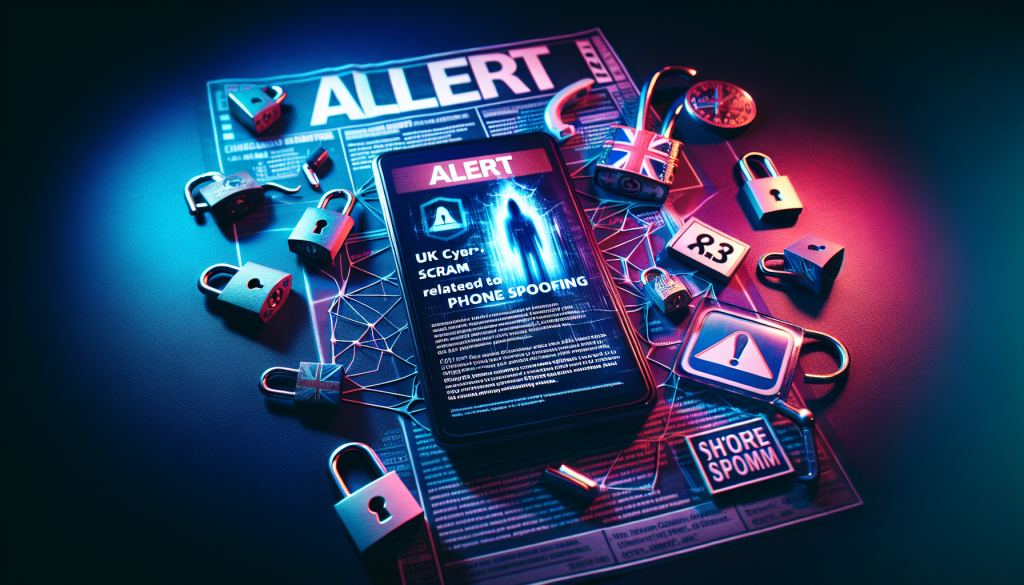
A sophisticated new cybersecurity threat has emerged across the United Kingdom that is targeting thousands of mobile phone users through an advanced technique known as phone spoofing. Criminals are now able to disguise their phone numbers to appear as if they are calling from legitimate organizations including banks, government agencies, and trusted companies. This deceptive practice has already resulted in significant financial losses for victims who have unknowingly shared sensitive personal information or transferred money to fraudsters. Security experts warn that if this scam continues to evolve unchecked, it could lead to widespread identity theft, emptied bank accounts, and a complete erosion of trust in telephone communications across the country.
The phone spoofing scam operates by exploiting vulnerabilities in the telecommunications infrastructure that allow criminals to manipulate caller ID displays. When victims receive these calls, their phone screens show what appears to be a genuine number from their bank, HMRC, or other trusted institution. The scammers then use sophisticated social engineering techniques to convince victims that there is an urgent problem requiring immediate action. They may claim that suspicious activity has been detected on a bank account, that a tax refund is waiting to be claimed, or that a government fine must be paid immediately to avoid legal consequences.
What makes this particular threat so dangerous is the level of detail and preparation that scammers bring to each call. Many victims report that the criminals possess accurate personal information including full names, addresses, and partial account numbers. This information is often obtained through previous data breaches or purchased on the dark web, and it lends credibility to the fraudulent calls. When a caller already knows your personal details and appears to be phoning from a legitimate number, it becomes incredibly difficult to identify the interaction as a scam.
How the Scam Works in Practice
The typical phone spoofing attack begins with an unexpected call that displays a familiar or official-looking number. The person on the other end of the line will sound professional and authoritative, often creating a sense of urgency or panic. They may tell the victim that their bank account has been compromised and that funds need to be moved to a safe account immediately. Alternatively, they might claim that legal action is pending unless a payment is made right away. The scammers are trained to keep victims on the line and to discourage them from hanging up to verify the information through official channels.
Protecting Yourself from Phone Spoofing
There are several important steps that UK residents can take to protect themselves from this growing threat. First and foremost, it is essential to remember that legitimate organizations will never ask you to provide sensitive information such as passwords, PIN numbers, or full account details over the phone. If you receive a call claiming to be from your bank or another official body, hang up and call them back using the number printed on your bank card or found on their official website. Do not use any number provided by the caller as this could simply connect you to another member of the criminal network.
Additionally, be extremely cautious about any call that creates pressure or urgency. Scammers rely on emotional manipulation to cloud your judgment and rush you into making poor decisions. Take your time, ask questions, and never be afraid to end a call if something feels wrong. Register your number with the Telephone Preference Service to reduce unwanted calls, and consider using call-blocking apps that can identify and filter suspicious numbers.
Reporting and Recovery
If you believe you have been targeted by a phone spoofing scam, it is crucial to act quickly. Contact your bank immediately if you have shared any financial information or made any transfers. Report the incident to Action Fraud, the UK national reporting centre for fraud and cybercrime, and inform your mobile phone provider about the spoofed number. While recovery of lost funds can be challenging, swift action significantly improves your chances of minimizing damage and preventing further unauthorized access to your accounts.