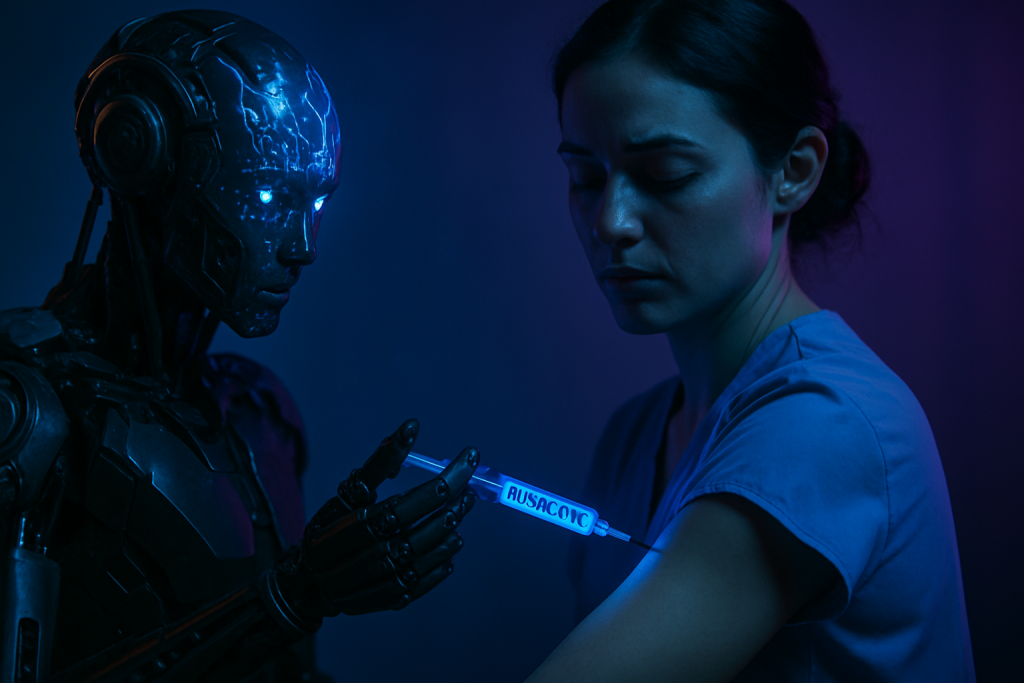
Researchers at the University of Cambridge have announced that an artificial intelligence-designed vaccine has successfully completed initial human trials, marking the first time a vaccine component was designed entirely by AI and then trialed in humans. This groundbreaking achievement represents a monumental shift in how medical science approaches disease prevention and treatment. The breakthrough demonstrates AI capability to develop fundamentally new vaccine types potentially capable of protecting against diverse viruses and preventing future pandemics. For society, this development could mean a future where deadly diseases are met with rapid vaccine responses, potentially saving millions of lives and preventing the kind of global disruption seen with recent health crises. The ability to design and deploy vaccines quickly could transform public health from reactive to proactive, giving humanity a powerful shield against emerging infectious threats.
How Artificial Intelligence Transformed Vaccine Development
The traditional vaccine development process typically takes years or even decades, involving countless hours of laboratory work, testing, and refinement by human scientists. This new approach flips that model on its head by using artificial intelligence to analyze vast amounts of biological data and design vaccine components that might never have been conceived through conventional methods. The AI systems can process information about viruses, immune responses, and molecular interactions at speeds and scales impossible for human researchers alone. By examining patterns across thousands of known pathogens and immune responses, the AI identified novel approaches to vaccine design that show promise in protecting against multiple threats simultaneously. This is not simply about making the existing process faster but about discovering entirely new pathways to immunity that human intuition might overlook.
What Makes This Breakthrough Different From Previous Vaccine Research
The research consortium describes the vaccine as a transformational advance in medical AI applications, opening pathways for rapid vaccine development against emerging infectious disease threats. Unlike previous attempts where AI played a supporting role in vaccine research, this marks the first instance where artificial intelligence took the lead in the actual design process from start to finish. The vaccine component that completed human trials was not merely optimized or refined by AI but was conceived, designed, and structured by machine learning algorithms working through complex biological challenges. This represents a fundamental shift in the relationship between artificial intelligence and medical innovation. The successful completion of human trials validates that AI can make decisions about human health interventions that are both safe and effective, a milestone that many experts believed was still years away from achievement.
Implications For Future Pandemic Prevention And Response
The ability to rapidly design vaccines using artificial intelligence could revolutionize how the world responds to emerging infectious diseases. When a new pathogen appears, traditional vaccine development timelines mean that millions of people may become infected before protection becomes available. With AI-driven vaccine design, that window could shrink dramatically. Scientists could feed information about a new virus into the system and receive viable vaccine candidates in weeks rather than months or years. This capability becomes even more critical as climate change, global travel, and other factors increase the likelihood of novel pathogens jumping from animals to humans. The technology could also address diseases that have long evaded conventional vaccine approaches, potentially offering hope for conditions that currently have no preventive options. For developing nations with limited research infrastructure, AI vaccine design could level the playing field, allowing them to protect their populations without depending entirely on wealthier countries.
What This Means For Your Health And Safety
For everyday people, this breakthrough could translate into better protection against a wider range of diseases. The AI designed vaccine approach may lead to universal vaccines that protect against multiple strains of viruses simultaneously, eliminating the need for annual updates like those required for seasonal influenza shots. Parents might see their children protected against diseases that currently pose serious risks, while elderly populations could benefit from more effective protections tailored to their specific immune system needs. The speed of AI vaccine development also means that outbreak responses could happen before diseases spread globally, potentially preventing the lockdowns, economic disruptions, and loss of life that accompany major health emergencies. However, this technology also raises important questions about oversight, testing standards, and who controls access to these powerful AI systems. Society will need to ensure that rapid development does not compromise safety and that life saving vaccines remain accessible to all people regardless of their economic status.
The Road Ahead For AI In Medical Research
This successful human trial represents just the beginning of what artificial intelligence might achieve in healthcare. Beyond vaccines, AI systems could design new antibiotics to combat drug resistant bacteria, develop personalized cancer treatments, or create therapies for genetic disorders that currently have no cure. The same principles that allowed AI to design this vaccine could apply to virtually any area of medicine where molecular design plays a role. Research institutions worldwide are likely to invest heavily in similar AI systems, accelerating the pace of medical discovery across all fields. As these systems become more sophisticated, they may identify connections between diseases, environmental factors, and treatments that humans would never notice, leading to preventive strategies that keep people healthy rather than simply treating them when they become ill. The key challenge will be ensuring that this powerful technology serves humanity broadly rather than becoming another source of inequality between those who can afford cutting edge AI designed treatments and those who cannot.