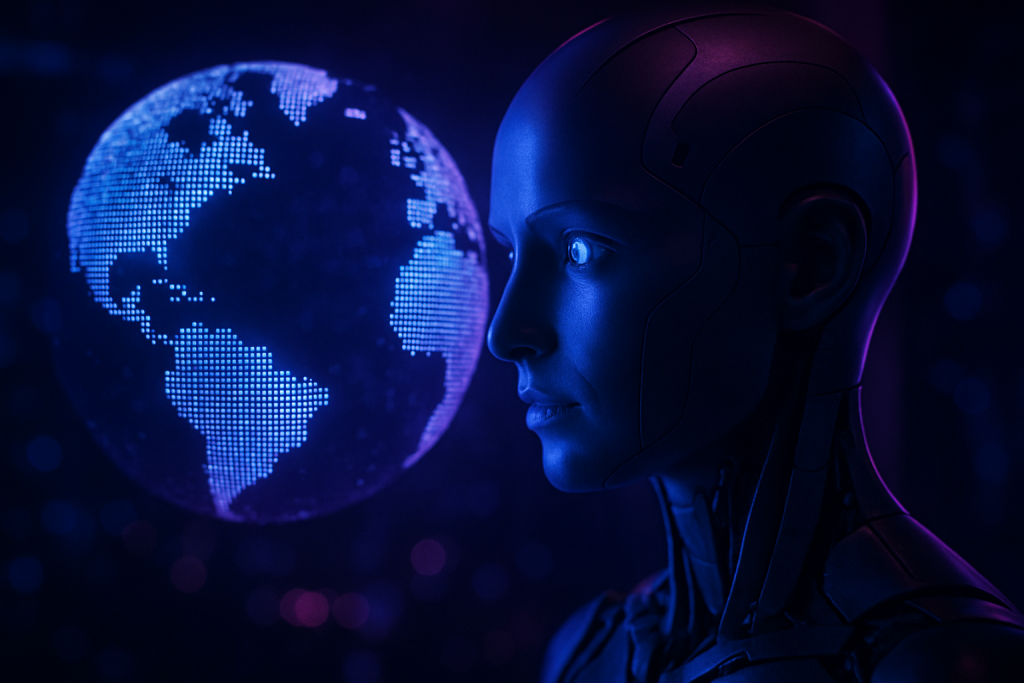
ChatGPT has crossed 1 billion monthly active users, becoming the fastest app in history to reach this milestone. This remarkable achievement marks a turning point in how humanity interacts with artificial intelligence and signals a future where AI assistants become as commonplace as smartphones. The implications stretch far beyond convenience, potentially reshaping education, work, creativity, and how we access information. As AI becomes embedded in daily life for over a billion people, society faces both unprecedented opportunities and critical questions about privacy, accuracy, and our relationship with machine intelligence.
Breaking Every Growth Record
The speed at which ChatGPT has grown defies all previous technology adoption patterns. While it took Facebook years to reach similar user numbers and other popular applications even longer, ChatGPT has achieved this milestone in a fraction of the time. This explosive growth demonstrates that people around the world are eager to embrace AI tools that can help them write, learn, solve problems, and get instant answers to complex questions. The platform has transcended its initial audience of tech enthusiasts and professionals to become a mainstream tool used by students, parents, business owners, and people from virtually every walk of life.
What This Means For Everyday Life
With one billion people now using ChatGPT monthly, artificial intelligence has moved from an experimental technology to an essential utility. This shift changes how people approach tasks that once required hours of research or specialized knowledge. Students use it to understand difficult concepts and get homework help. Small business owners draft marketing content and business plans. Parents find creative activities for children or get cooking suggestions. Writers overcome creative blocks. The tool has become a digital assistant that is available 24 hours a day, speaks multiple languages, and can adapt to an enormous range of tasks. This accessibility means that knowledge and capability that were once limited by education, location, or economic status are now available to anyone with internet access.
Privacy and Security Concerns
The massive scale of ChatGPT usage raises important questions about data security and privacy. When a billion people share their questions, ideas, and sometimes sensitive information with an AI system, the potential risks multiply. Users might inadvertently share personal details, business secrets, or confidential information without fully understanding how that data might be stored or used. There are concerns about whether conversations are truly private and how the information people provide might train future AI systems. For families, there are additional worries about children using AI without proper supervision or developing an over-reliance on artificial intelligence for schoolwork and decision-making.
The Accuracy Challenge
As more people depend on ChatGPT for information and advice, the issue of accuracy becomes increasingly critical. AI systems can produce responses that sound authoritative and well-reasoned but contain factual errors or outdated information. When millions or billions of users treat AI-generated content as reliable without verification, misinformation can spread rapidly. This creates particular risks in areas like health advice, legal guidance, or financial planning where incorrect information could lead to serious consequences. Society must develop better AI literacy so users understand both the capabilities and limitations of these tools.
Impact on Jobs and Skills
The widespread adoption of AI assistants will inevitably transform the job market and the skills that employers value. Tasks that involve routine writing, basic research, or standard analysis can now be completed much faster with AI assistance. This might eliminate some entry-level positions while creating demand for workers who can effectively collaborate with AI tools and focus on higher-level creative and strategic thinking. Education systems will need to adapt, teaching students not just how to use AI but how to think critically about its outputs and develop uniquely human skills that machines cannot replicate.
A Permanent Change
Reaching one billion users represents more than a numerical milestone. It marks the moment when AI became a permanent part of human society. Just as search engines changed how we find information and smartphones changed how we communicate, AI assistants are changing how we think, work, and solve problems. The technology will continue evolving, becoming more capable and more integrated into devices, applications, and services we use every day. This future holds enormous promise for democratizing access to knowledge and amplifying human potential, but it also requires thoughtful consideration of ethics, governance, and ensuring these powerful tools benefit everyone rather than creating new divides or vulnerabilities in our increasingly AI-dependent world.